Column · @alexistzuv898
Top Reasons to Consider Norweco Singulair Green for Your Home

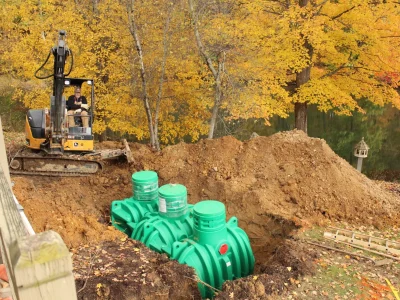
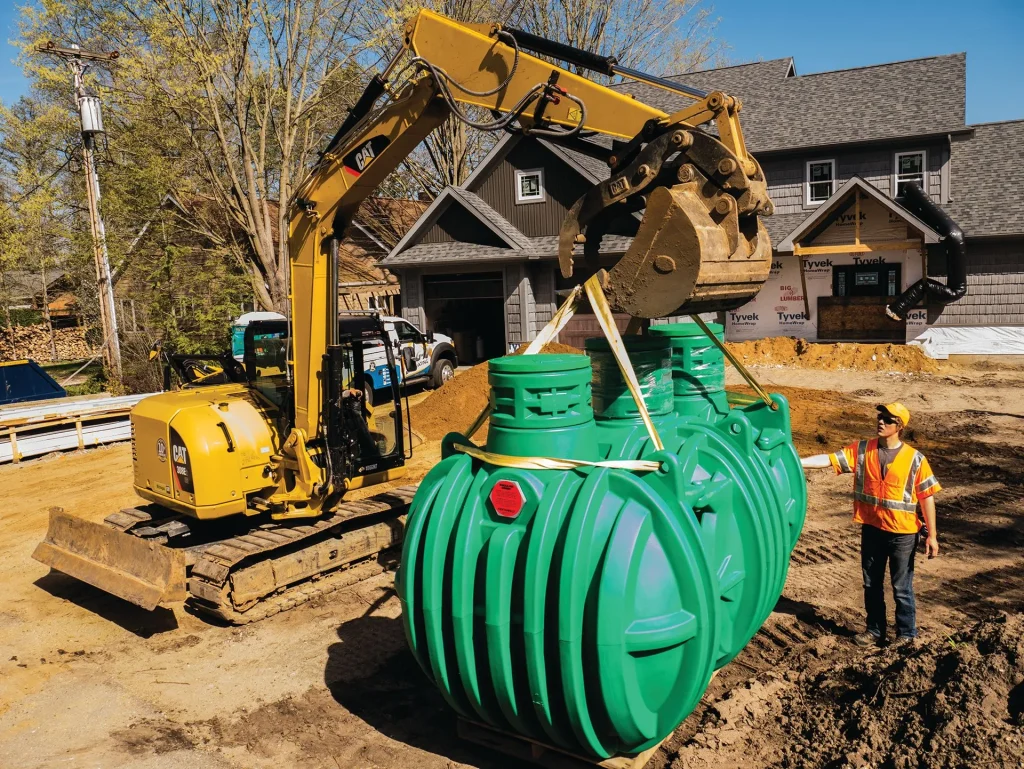
Choosing a home wastewater system is rarely anyone’s idea of an enjoyable project. Most homeowners start paying attention only when they are building on rural land, replacing a failing septic setup, or running into permitting issues that a basic gravity system cannot solve. That is usually the moment the conversation shifts from price alone to reliability, effluent quality, maintenance, and long-term headaches.
In that setting, the norweco singulair green often comes up for good reason. It sits in a category of residential treatment systems that aims to do more than simply hold and settle waste. It is designed to actively treat wastewater to a higher standard than many conventional septic arrangements, which can matter a great deal on smaller lots, environmentally sensitive properties, and sites where local regulators expect stronger treatment performance.
The appeal is not just that it is “advanced.” Plenty of products get labeled advanced. What matters is whether the system solves real homeowner problems without creating new ones. The strongest case for considering a system like this comes down to a mix of treatment quality, site flexibility, predictability, and the practical realities of living with it year after year.
Why homeowners start looking beyond a conventional septic tank
A standard septic tank and drain field still make sense in many places. On a roomy lot with suitable soils, a modest water load, and a straightforward permit path, a conventional system can be a sensible and economical choice. The trouble begins when one of those assumptions breaks.
I have seen the decision change quickly when a property turns out to have slow percolation, a shallow limiting layer, high seasonal groundwater, or setbacks that squeeze the usable drain field area. Suddenly, the cheapest-looking option on paper is no longer viable, or it becomes so engineered and constrained that the price advantage starts to fade.
This is where a treatment unit such as the norweco singulair green enters the picture. By producing better-treated effluent before it reaches the dispersal area, systems in this class can open up design options that might otherwise be off the table. That does not automatically make them the right fit for every house. It does mean they deserve serious consideration when the site is less forgiving than idealized brochures suggest.
Higher treatment quality is the main reason people choose it
The central advantage of a system like this is improved wastewater treatment. A conventional septic tank mostly separates solids from liquids and relies heavily on the soil for final treatment. An aerobic treatment system adds another layer of biological processing. In plain terms, it works harder before the water ever leaves the tankage.
That matters because the quality of the effluent affects everything downstream. Better-treated effluent is generally easier on the dispersal field, less likely to contribute to clogging and biomat overload, and often better aligned with stricter environmental expectations. If a property is near a lake, stream, wetland, or coastal area, that can become more than a theoretical benefit. It can influence whether the system is approved, how large the dispersal area must be, and how much risk the owner carries over time.
Homeowners sometimes underestimate the value of that extra treatment because they never see it. The tanks are buried, the process is quiet, and the result is invisible when everything is functioning correctly. But in wastewater, invisible performance is often exactly what you are paying for. A trouble-free system is one you do not smell, do not think about, and do not have to explain to guests or buyers.
It can be a smart answer for difficult lots
Not every property offers the luxury of broad, dry, well-draining soil. Many of the strongest candidates for a system like the norweco singulair green are homes where site constraints are driving the design. Small waterfront parcels are a classic example. So are infill lots where the house footprint, driveway, wells, property lines, and drainage features leave little room for a standard layout.
On those sites, treatment quality is not just norweco singulair green a nice feature. It often becomes the factor that makes a legal and workable design possible. Engineers and installers may be able to pair advanced treatment with pressure distribution, shallow dispersal, or other engineered approaches to fit the property safely and within code. The treatment unit is only one piece of the overall design, but it can be the enabling piece.
There is also a practical side to this beyond permitting. Better pretreatment can help protect the downstream portion of the system, which is frequently the most expensive and disruptive part to repair. If you have ever seen a yard dug up to replace a failed field, you understand why owners start caring about what enters that field in the first place.
It is often easier to justify on long-term properties
A lot of homeowners make the mistake of comparing wastewater systems only by installed price. That is understandable, but incomplete. A more useful comparison includes expected service life, maintenance needs, site limitations, future repairs, and resale implications.
If you are building a house you plan to keep for many years, paying more upfront for stronger treatment can make sense. I have seen this especially with custom homes, retirement homes, and family properties that are not likely to change hands quickly. In those cases, the owner usually wants stability more than the lowest initial bid.
The economics also change when the alternative is not a simple gravity system but a highly constrained conventional design with imported sand, raised components, difficult access, or borderline field conditions. Once the project becomes engineered either way, the price gap can narrow. At that point, treatment performance and risk management become much more important than sticker shock.
The system can support environmental stewardship without sounding like marketing
Many homeowners are skeptical, and rightly so, when a product is sold as the “green” choice. Wastewater marketing can drift into vague claims. Still, the underlying idea here is straightforward. Better treatment before discharge or soil dispersal can reduce the burden on the environment surrounding the home.
That is especially relevant in places where nutrient loading, bacteria concerns, or groundwater protection are active local issues. A system that treats more thoroughly at the source can be part of a more responsible approach to building in sensitive areas. This is not about virtue signaling. It is about reducing the chance that your household wastewater becomes someone else’s problem downstream.
For families who care about their well, their shoreline, or the creek at the edge of the property, that can be a powerful reason to invest in a higher-performing setup. It is one thing to meet minimum code. It is another to choose a system that provides a stronger margin of protection when your site is environmentally exposed.
Day-to-day living can be more predictable when the system is properly maintained
One of the quiet strengths of a well-designed treatment unit is consistency. A conventional septic system often depends heavily on ideal usage patterns and favorable soil conditions. An aerobic treatment system still requires responsible use, but it is engineered to deliver a more controlled treatment process.
That does not mean it is maintenance-free. It absolutely is not. Yet homeowners who understand the service requirements are often happier with a system that has defined maintenance intervals than with one that receives little attention until something goes wrong. Predictable care tends to beat emergency excavation.
A well-maintained unit can also be more forgiving of normal household fluctuations. Real homes do not produce the same flow every day. Guests show up, kids come home from college, laundry piles up, and holiday weekends put stress on every plumbing fixture in the house. A treatment system designed for active processing can handle those changes better than a simple settle-and-disperse setup, assuming it is correctly sized.
That said, no wastewater system likes abuse. Grease, wipes, harsh chemicals, overloaded garbage disposals, and neglected service schedules can cause problems in advanced systems just as surely as they do in basic ones. The technology helps, but homeowner behavior still matters.
It can be a strong fit in several common scenarios
The owners who tend to get the norweco singulair green most value from the norweco singulair green often share a few practical circumstances:
- They are building or renovating on a small, constrained, or environmentally sensitive lot.
- Their local jurisdiction requires higher effluent quality than a standard septic tank can provide.
- They want to reduce strain on the drain field or other downstream dispersal components.
- They plan to stay in the home long enough for long-term reliability to matter more than minimum upfront cost.
- They are comfortable with scheduled service and do not expect a wastewater system to be a set-it-and-forget-it appliance.
If that sounds like your situation, the system deserves a close look. If none of it sounds familiar, a simpler option may still be the better call. The best system is the one that fits both the property and the owner’s habits.
Maintenance is not a drawback, but it is a commitment
It is worth being candid here. Advanced residential treatment units ask more of the owner than a basic septic tank. There are mechanical and biological components involved, and those components need periodic inspection and service. Anyone considering the norweco singulair green should go into the decision with eyes open.
That is not a flaw. It is the trade-off for improved treatment performance. The trouble starts when buyers are sold the upside without a realistic explanation of the upkeep. A good installer or service provider should explain how often the system needs attention, what owner responsibilities look like, what alarm conditions mean, and what the annual operating costs are likely to be in your area.
In practice, homeowners who do well with these systems treat maintenance like they treat HVAC service. They budget for it, they use qualified professionals, and they do not wait for obvious symptoms. That mindset goes a long way.
There is another point that gets overlooked. A poorly maintained advanced system can underperform just as badly as a neglected conventional one, sometimes worse because expectations are higher. Buying better technology does not eliminate the need for follow-through. It only gives you a better tool if you use it responsibly.
Installation quality matters as much as the brand on the tank
A high-quality treatment unit installed carelessly is still a risky investment. Soil conditions, hydraulic loading, venting, electrical setup, control components, alarms, and the downstream dispersal design all influence how the system behaves. That is why evaluating the installer and designer is every bit as important as evaluating the product.
I have seen owners spend weeks comparing manufacturers and barely an hour reviewing who will actually install and service the system. That is backwards. In onsite wastewater, field execution matters immensely. A crew that understands local soil conditions, follows the design carefully, protects tank levels and piping elevations, and coordinates startup properly can make the difference between years of uneventful service and a string of frustrating callbacks.
This is also why local support should be part of the buying decision. Even an excellent system becomes less attractive if qualified service is hard to find in your area. Before committing, ask who handles maintenance, how quickly they respond to alarms, and whether replacement parts and routine service are readily available. Those questions are not glamorous, but they are the ones that shape ownership experience.
The best value often appears during resale and inspections
Most homeowners think about wastewater systems only in terms of use, but ownership eventually intersects with resale, refinancing, insurance questions, or property transfer inspections. A documented, professionally maintained treatment system can become an asset in that process.
Buyers are often nervous about anything underground, and septic anxiety is common. A home with clear records, recent service history, and a modern, permitted treatment system can feel less risky than a house with a vague “it has always worked fine” explanation and no paperwork to back it up. The difference is not always visible in the sale price line item, but it often appears in smoother negotiations and fewer inspection-related surprises.
That is especially true in markets where buyers are familiar with septic limitations or where waterfront and rural properties are under closer scrutiny. A better treatment profile can reassure both private buyers and professionals involved in the transaction.
It is not always the right choice, and that honesty matters
There are situations where a conventional septic system remains the better answer. If you have ideal soils, ample space, permissive local code, and a straightforward gravity design, the simplicity of a traditional system can be hard to beat. Lower maintenance and fewer mechanical components have real value.
Likewise, if an owner is unlikely to keep up with service contracts, alarm response, or responsible wastewater habits, an advanced treatment unit may not be a wise fit. Technology cannot compensate for neglect forever. It is better to choose a simpler system that the owner will maintain than a more sophisticated one that gets ignored.
Cost sensitivity matters too. Not every project has room in the budget for higher upfront equipment and ongoing service. There is no shame in that. The goal is not to force the most elaborate system into every home. The goal is to match the treatment approach to the property, the regulations, and the owner’s willingness to maintain it.
Questions worth asking before you decide
If you are seriously evaluating the norweco singulair green, a short set of questions can sharpen the decision:
- What treatment level does my local code or site design actually require?
- How constrained is my lot in terms of soils, setbacks, slopes, and groundwater?
- What will annual maintenance and inspection realistically cost in my area?
- Who provides local service, and how established are they?
- How does the total installed and long-term cost compare with the best conventional alternative, not just the cheapest one?
Those answers usually tell the story. They move the discussion away from generic claims and into the details that determine whether the system is truly a good fit.
Where the system tends to make the strongest case
When I look at projects where a system like this makes the most sense, a pattern emerges. The case is strongest when the property is complicated, the owner plans to stay put, and water quality matters beyond the edge of the yard. It is also strong when the alternative is not really “simple septic” but a series of compromises piled on top of a weak site.
The norweco singulair green is appealing because it addresses the core challenge directly. It improves treatment at the source. That can support better system design, offer more flexibility on difficult lots, reduce stress on downstream components, and align better with modern expectations for environmental performance.
For the right homeowner, those are not abstract advantages. They mean fewer design dead ends, more confidence during permitting, a cleaner path to long-term ownership, and less worry about what is happening underground after every heavy use weekend or rainy season.
That is why the system keeps showing up in serious residential wastewater conversations. Not because it is the newest buzzword, and not because every home needs one, but because on the kinds of sites that create real design problems, stronger treatment solves problems that simpler systems often cannot.
Excavating New Jersey LLC
406 County Rd 565, Wantage, NJ 07461, United States
+1 973-791-4284
FAQ About norweco singulair green
How much does a NORWECO septic system cost?
The installed cost depends on the selected unit, engineering, site access, excavation, electrical work, disposal-field design and required approvals. A tank-only price is not a complete installation quote. Ask Excavating New Jersey LLC for a site-specific, itemized estimate that also explains ongoing service costs.
How does a Norweco septic system work?
The Singulair Green uses pretreatment, aeration, clarification and filtration to treat domestic wastewater. In the aeration chamber, oxygen supports bacteria that break down organic material. The Bio-Kinetic unit provides further filtration and flow equalization. Final effluent disposal must follow the property's approved design and applicable requirements.
What is the average lifespan of a septic system?
There is no guaranteed lifespan for every system. Design, installation, soil conditions, wastewater loading and regular maintenance all matter, and mechanical parts may need replacement before the tank. For a Singulair Green system, follow the manufacturer's service schedule and have a qualified provider assess its condition and pumping needs.