Column · @alexistzuv898
What You Need to Know About Norweco Singulair Green Compliance
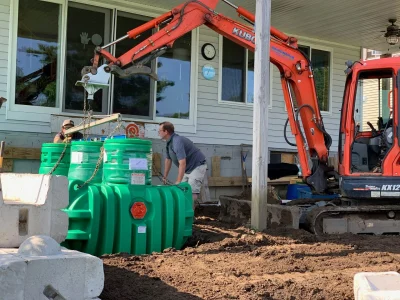
If you own, install, service, or approve onsite wastewater systems, compliance is never just a paperwork issue. It affects whether a property can be occupied, whether an installation passes inspection, whether an owner avoids fines, and whether the treatment unit performs the way it was sold to perform. That is especially true with aerobic treatment systems like the norweco singulair green, where the equipment itself is only one part of the compliance picture.
People often assume that if a treatment unit is reputable and widely installed, it is automatically compliant everywhere. That is not how this works in the field. A system can be technically sound and still fail a local review because the site conditions are wrong, the maintenance agreement is missing, the discharge method is not allowed, or the unit is installed differently from the approved design. I have seen projects stall over details that looked small on the plans and turned into expensive corrections once the inspector showed up.
Understanding compliance for a norweco singulair green system means looking at the full chain: approval status, sizing, installation, operation, service, reporting, and the local rules that sit over all of it.
Why the compliance question matters with aerobic treatment units
A conventional septic tank is relatively passive. An advanced treatment unit is not. The norweco singulair green is part of a category of onsite systems that rely on treatment processes, mechanical components, and ongoing upkeep to meet water quality expectations. That raises the standard for compliance because regulators norweco singulair green are not just reviewing where wastewater goes. They are also evaluating how the system treats it before it leaves the tankage.
That difference matters most in places with nutrient-sensitive soils, small lots, shallow groundwater, waterfront property, or local ordinances that require secondary treatment before subsurface dispersal or permitted discharge. In those settings, the treatment unit has to do more than hold wastewater. It has to consistently reduce pollutants to a level the local authority accepts.
For owners, that means compliance is usually not a one-time event at installation. It is a continuing obligation. Service intervals, alarms, pump function, sludge levels, and recordkeeping can all become part of the ongoing compliance burden.
What the norweco singulair green actually is
The norweco singulair green is an advanced residential wastewater treatment system designed to treat domestic sewage onsite. It is part of the broader family of aerobic treatment solutions that use controlled biological treatment rather than relying only on passive settling and soil absorption. In practice, that means it is typically considered where site constraints or local regulations make standard septic approaches difficult or unacceptable.
Exact configurations vary by model and application, and that matters for compliance. Regulators do not approve systems in the abstract. They approve specific capacities, configurations, treatment expectations, and installation conditions. One of the most common mistakes I see is someone referring to the product line generally when the permit office wants model-specific documentation and project-specific design details.
A property owner may think, “It’s a Norweco system, so I’m covered.” The permitting authority is thinking, “Show me the approved unit, design flow, site plan, dispersal method, service plan, and required setbacks.”
Compliance starts with local approval, not marketing claims
This is the most important point in the whole discussion. No manufacturer, no installer, and no website can grant compliance on behalf of your county or state. Compliance is determined by the authority having jurisdiction, usually a county health department, environmental agency, building department, or state onsite wastewater regulator.
A treatment unit may have recognized testing, third-party certification, or listings used in multiple states. That can help. It can shorten review time and give regulators confidence in expected performance. It does not erase local requirements. Some jurisdictions maintain approved product lists. Others require engineer review, installer certification, or special operating permits. Some allow certain advanced treatment systems only for repair situations or only on parcels with limited alternatives.
If you are evaluating a norweco singulair green installation, ask one question early: has this exact model and application been accepted by the local authority for this specific site and use? If the answer is vague, you are still in the risk zone.
The pieces that usually determine compliance
In the field, compliance usually comes down to several overlapping factors rather than one single pass or fail issue. The system must be acceptable in the jurisdiction, properly sized for the expected daily flow, installed according to the approved plans, paired with an approved dispersal or discharge method, and maintained according to permit conditions.
That sounds straightforward until real properties get involved. A lake lot with a small footprint creates one set of challenges. A rural home with marginal clay soil creates another. A seasonal cabin that gets weekend surges and long dormant periods raises different concerns than a year-round residence. The same treatment unit may be compliant in one of those settings and rejected in another.
I have seen permits delayed because the owner selected a treatment unit before confirming whether the local code required timed dosing to the drainfield. I have seen otherwise solid installations fail final because riser access was not brought to grade as required, making service unsafe and inconvenient. I have seen service agreements submitted after startup when the operating permit required them before occupancy. None of those problems were about the treatment process itself, but all of them became compliance problems.
Sizing is one of the first places projects go wrong
Advanced treatment units are often marketed to homeowners as premium systems, and homeowners sometimes focus on brand before they focus on design flow. Regulators do the reverse. They want to know how much wastewater the home is expected to generate, how that figure was calculated, and whether the selected unit and disposal area can handle it.
The design flow may be based on bedroom count, fixture count, occupancy type, square footage, or a local code formula. In some places, a three-bedroom home is assigned a standard daily flow whether or not the current owner thinks they use that much water. The permitting office is not designing for one careful owner. It is designing for foreseeable use over the life of the property.
Undersizing creates obvious risk. Oversizing is not always harmless either. Biological treatment systems generally perform best within the loading range they are designed for. A system that is drastically mismatched to actual use can experience operational issues, particularly at seasonal or intermittently occupied properties. That does not mean advanced treatment cannot work at low-use sites. It means the designer and approving authority need to account for occupancy patterns rather than treating all houses as identical.
Installation details often decide whether the system stays compliant
Once a permit is issued, attention shifts to execution. This is where many owners assume the hard part is over. It usually is not. Inspectors and service professionals tend to find the same categories of installation defects again and again: wrong elevations, poor electrical work, inaccessible components, incorrect venting, improper backfill, and unapproved substitutions.
With a norweco singulair green system, compliance is tied closely to the way the unit is set, connected, and commissioned. Aeration equipment, controls, and alarms need to be installed as specified. Access for service needs to remain practical. Tanks and risers need to be located with future pumping and inspection in mind. If the approved design shows a specific discharge arrangement or downstream dispersal component, field improvisation can create a compliance problem even if the system appears to function on day one.
I once walked a site where the treatment unit itself was installed cleanly, but the discharge line had been rerouted to accommodate landscaping changes. The change looked harmless to the owner. It altered the approved layout and reduced the separation the permit had relied on. The system had to be corrected before sign-off. That kind of rework is frustrating because it is preventable.
Operation and maintenance are part of compliance, not an optional extra
A conventional septic system may go several years between professional visits if it is lightly used and functioning properly, though it still needs periodic pumping and inspection. An advanced treatment unit generally demands a more active maintenance relationship. That is a feature of the technology, not a flaw. Higher treatment expectations come with higher oversight needs.
Many jurisdictions require a service contract for systems like the norweco singulair norweco singulair green green. Some require inspections at set intervals, often once or several times per year depending on the permit type and local rules. Some require effluent sampling in specific cases. Others require only documented maintenance and alarm response. If there is a recorded operating permit, deed notice, or management agreement, those conditions matter just as much as the original installation permit.
Owners get into trouble when they treat the service reminder like a sales call. If the permit says the unit must be maintained by a qualified provider, skipping service can put the property out of compliance before any visible failure appears. It can also turn a minor issue, like a failing air delivery component or neglected sludge accumulation, into a full treatment upset.
Here are the compliance checkpoints I advise people to confirm before they assume a system is fully covered:
- The exact norweco singulair green model is accepted for the intended use in the local jurisdiction.
- The design flow, site plan, and dispersal method match the approved permit documents.
- Installation was completed by any required licensed or certified parties and inspected as required.
- A current operation or maintenance agreement is in place if the jurisdiction requires one.
- Inspection, pumping, and service records are being kept and submitted when required.
That list looks simple, but each item can hide a costly mistake.
Records matter more than most owners expect
Good recordkeeping saves arguments. When a property is sold, refinanced, expanded, or investigated after a complaint, the owner who can produce permits, as-builts, service reports, pumping receipts, and any required sampling data is in a much better position than the owner who says, “The installer handled all that years ago.”
Advanced systems generate administrative obligations that conventional systems often do not. There may be startup documentation, component serial information, service logs, alarm response notes, and agency reporting. If the local jurisdiction tracks performance contracts, missing records can trigger enforcement even when the unit appears to be operating well.
From a practical standpoint, a neat file also helps service technicians do better work. When a provider can see tank capacity, prior sludge levels, alarm history, and replacement part records, troubleshooting becomes faster and more accurate. That is not just convenient. It supports compliance by reducing guesswork.
Discharge and dispersal are where local rules really tighten up
One of the biggest misconceptions around advanced treatment units is that once wastewater is treated to a higher standard, disposal becomes easy. Regulators do not usually see it that way. Even high-quality effluent must still be dispersed, discharged, or reused under rules that protect groundwater, surface water, and neighboring property.
For some sites, the norweco singulair green may feed a pressure-dosed drainfield, a drip dispersal area, a sand media component, or another approved downstream method. In other settings, a surface discharge or other alternative might be considered, but only under very specific permits and performance conditions. The options depend heavily on jurisdiction. A setup that is routine in one state may be prohibited in another.
That means compliance is never just about the treatment unit brochure. It is about the full treatment train and the receiving environment. Soil depth, seasonal water table, limiting layers, slope, setback distances, lot size, and reserve area requirements can all shape whether a site can legally use the system at all.
Common reasons a system falls out of compliance
Most noncompliance cases do not begin with dramatic failure. They start with drift. A missed service visit, an ignored alarm, unapproved occupancy changes, or deferred pumping can slowly move a system away from the conditions under which it was permitted.
The patterns are familiar:
- Service agreements lapse and no one notices until the permit is reviewed or renewed.
- The home use changes, such as added bedrooms or a conversion to short-term rental, without reevaluating design flow.
- Mechanical issues, especially alarms or aeration problems, are ignored because fixtures still drain.
- Solids build up from delayed pumping and begin to interfere with treatment quality or downstream dispersal.
- Landscaping, vehicle traffic, or site work damages components or restricts access needed for inspection and maintenance.
When those issues stack up, compliance becomes expensive very quickly. The repair itself may be manageable. The permitting, reinspections, and potential occupancy problems are what usually hurt.
Short-term rentals, additions, and ownership changes complicate compliance
A property is not frozen in the condition it was in when the system was approved. That is where many owners get surprised. If a two-bedroom house becomes a three-bedroom house, or if a quiet residence starts operating as a high-turnover vacation rental, the wastewater profile changes. Some jurisdictions treat that as a modification requiring review. Others focus on occupancy load or daily flow triggers. Either way, the original permit assumptions may no longer apply.
This issue comes up a lot in resort and waterfront markets. An owner installs an advanced treatment system, keeps the house modest for a few years, then adds a bunk room, outdoor kitchen, or detached guest space. On paper it is a home improvement. From the regulator’s perspective, it may be an increase in sewage flow or a change in use. The norweco singulair green system may still be a viable solution, but the owner often needs updated design and approval rather than simply proceeding with construction.
Property transfers raise another set of questions. Buyers should ask for all onsite wastewater documentation during due diligence. If the seller cannot produce maintenance records for an advanced treatment unit, the buyer should not shrug that off. That gap can indicate neglect or simply poor paperwork habits, but either way it deserves investigation.
What installers and service providers should watch closely
For professionals, compliance risk often sits at the edges of the job. The tank is set correctly, but the startup form is not submitted. The aeration system is fine, but the owner was never told that the maintenance contract is mandatory. The installation matches the manufacturer’s requirements, but not the exact conditions written into the local permit.
The best installers I know are obsessive about alignment between four things: manufacturer requirements, approved plans, local code, and site realities. When any one of those pulls in a different direction, they stop and resolve it before moving forward. That discipline saves callbacks and protects their reputation.
Service providers have a similarly important role. They are often the first people to spot occupancy changes, hydraulic overload, illicit connections, surface runoff impacts, or neglected solids accumulation. A good service report does more than note that the blower is running. It documents conditions that matter for treatment and compliance over time.
How to verify compliance without guessing
If you are a homeowner or buyer trying to get clear answers, the fastest route is usually a short stack of documents and a few direct questions. Start with the installation permit, any operating permit, the approved design or as-built, and recent maintenance records. Then confirm whether the jurisdiction requires ongoing service, reporting, or permit renewal.
A useful conversation with the local authority sounds specific. Ask whether the exact system on the property is approved as installed, whether there are outstanding violations, whether service reports are current if they are required, and whether any property changes would trigger reevaluation. Ask the service provider whether the unit is functioning within expected conditions and whether any components are near replacement.
People often hesitate to call the permitting office because they fear creating problems. In my experience, uncertainty creates bigger problems than asking. Most agencies would rather answer a clear question early than deal with a failed system or unpermitted modification later.
The practical bottom line for owners
The norweco singulair green can be a strong solution where advanced onsite treatment is needed, but compliance depends on more than choosing a respected brand. It depends on correct permitting, good design, proper installation, documented maintenance, and steady attention to how the property is actually being used.
That may sound demanding, but it is manageable if you treat the system as infrastructure rather than a hidden utility you can ignore for ten years. Owners who stay organized, respond to alarms, keep service current, and check before changing use patterns usually avoid the worst headaches. Owners who assume “working” means “compliant” are the ones who get unpleasant surprises during sale, inspection, complaint response, or permit renewal.
If there is one mindset that helps most, it is this: treat compliance as an operating condition, not a one-time milestone. With an advanced wastewater system, that is the difference between routine upkeep and expensive correction.
Excavating New Jersey LLC
406 County Rd 565, Wantage, NJ 07461, United States
+1 973-791-4284
FAQ About norweco singulair green
How much does a NORWECO septic system cost?
The installed cost depends on the selected unit, engineering, site access, excavation, electrical work, disposal-field design and required approvals. A tank-only price is not a complete installation quote. Ask Excavating New Jersey LLC for a site-specific, itemized estimate that also explains ongoing service costs.
How does a Norweco septic system work?
The Singulair Green uses pretreatment, aeration, clarification and filtration to treat domestic wastewater. In the aeration chamber, oxygen supports bacteria that break down organic material. The Bio-Kinetic unit provides further filtration and flow equalization. Final effluent disposal must follow the property's approved design and applicable requirements.
What is the average lifespan of a septic system?
There is no guaranteed lifespan for every system. Design, installation, soil conditions, wastewater loading and regular maintenance all matter, and mechanical parts may need replacement before the tank. For a Singulair Green system, follow the manufacturer's service schedule and have a qualified provider assess its condition and pumping needs.